Gateway Veterinary Centre is an Edmonton clinic on Calgary Trail NW. Its public service list includes routine, diagnostic, surgical and emergency care for pets; call first to confirm what is available today.
If something feels urgent, phone the clinic before leaving and explain what you are seeing, when it started and whether it is getting worse. Keep your pet calm and avoid giving human medication unless a veterinarian directs you to do so. If you are unsure whether the clinic can see your pet, ask staff where to go next.
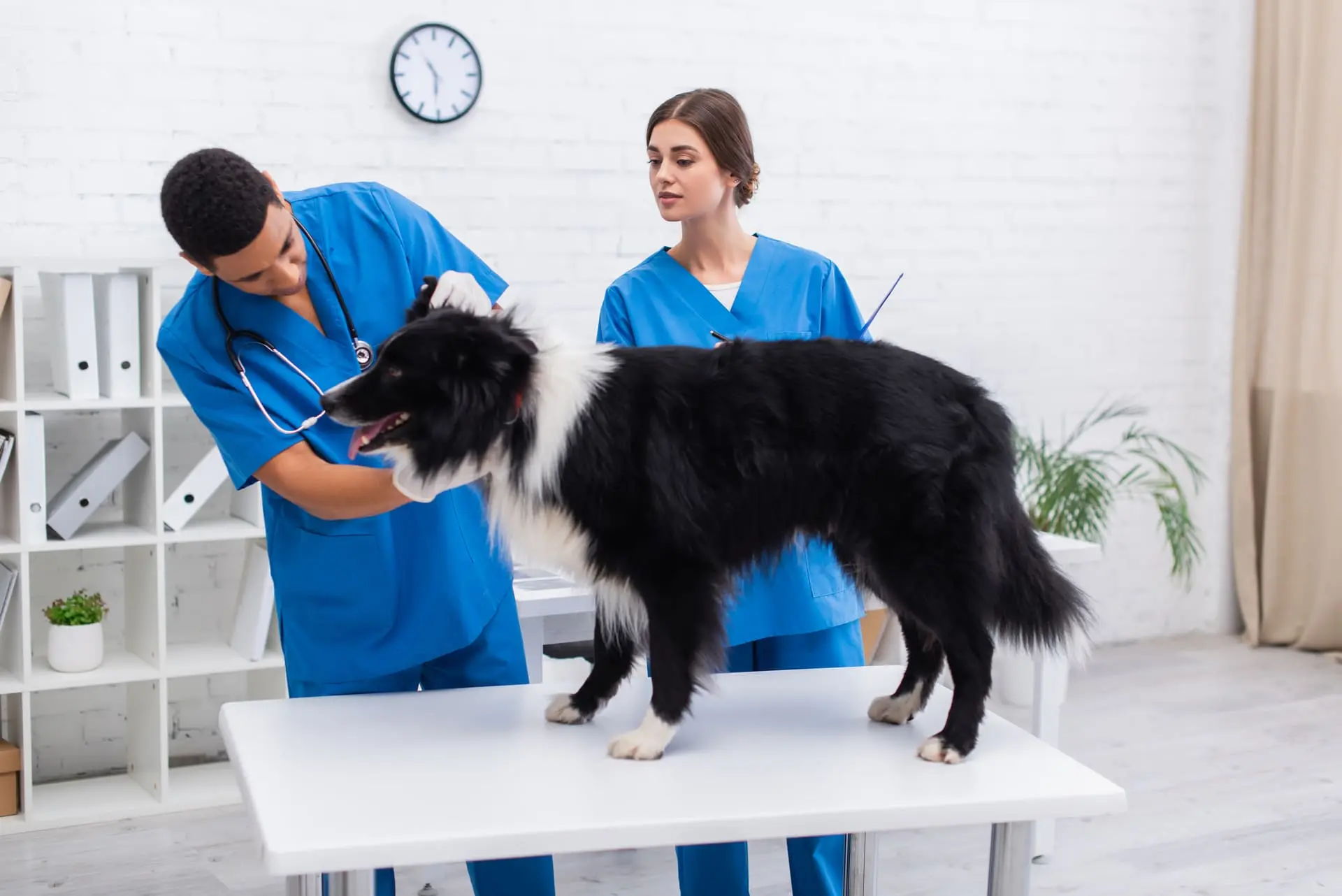
Emergency-care image from Gateway Veterinary Centre's public website.
Urgent-care planning for Summerside pets
Gateway Veterinary Centre's public pages describe emergency and urgent veterinary services and advise pet owners to call ahead. The same pages show different information about general hours, so do not treat a search result, old screenshot or this guide as a promise that the clinic is open or able to receive a case at a particular moment. If something has changed suddenly, phone the clinic, state the most concerning sign first and ask where your pet should be seen now.
A call before travel gives the clinic a chance to confirm availability and tell you whether another emergency facility is more appropriate. Gateway's emergency page names Guardian Veterinary and Pulse Veterinary Emergency for after-hours recommendations; contact details and arrangements can change, so verify the current instruction directly. If you cannot reach your regular clinic and your pet appears in immediate danger, call the nearest emergency hospital and follow its directions rather than waiting for an online response.
Describe what you see, not a guessed diagnosis
During a stressful moment it is easy to focus on what might have caused a problem. The most helpful first description is usually what you can observe: breathing, alertness, bleeding, ability to stand, vomiting, possible ingestion, urination or the timing of a sudden change. Say when it began, whether it is getting worse and whether anything has already been given. The veterinary team can ask follow-up questions and decide what information is most useful before you arrive.
Do not delay urgent advice to search symptoms, take repeated photos or gather a complete history. If you know what your pet may have eaten or contacted, keep the packaging or take a photo only when it is safe to do so. Tell the clinic the product name and approximate timing; do not try to make your pet vomit or give a home remedy unless a veterinarian specifically directs you. Some interventions can create additional risk depending on the substance and the animal.
Move and transport your pet safely
Follow the clinic's phone instructions about transportation. Keep a frightened or painful animal as calm as you can, and avoid putting your hands close to the mouth if the pet is distressed. Cats should travel in a secure carrier when this can be done safely; dogs should be restrained in a way that prevents escape. If an injury makes normal movement difficult, ask the clinic how to move the animal without worsening the problem. Do not attempt a procedure or apply a tight wrap without direct veterinary advice.
Ask another adult to drive if you need to monitor your pet or speak with the clinic during travel. Keep the phone available, use the route the clinic recommends and call again if the condition changes on the way. If staff advises you to go to a different facility, confirm its address and whether it has been notified. A referral or phone handoff may save time, but do not assume information has transferred unless the receiving clinic confirms it.
Prepare information without slowing down care
Useful details can include current medicines, known allergies, previous diagnoses, recent procedures, possible toxin exposure and when the pet last seemed normal. Bring packaging or a medication list if it is immediately available, but do not delay leaving when the clinic has advised you to come. If another veterinarian has relevant records, tell the team where they are and ask how to send them after the immediate assessment.
Once your pet is being assessed, ask who will update you, how consent for additional procedures is handled and whether you should stay nearby. In an urgent setting, recommendations may change as the team learns more. Ask staff to explain the next decision and the information they are using. If you are overwhelmed, write down names, instructions and the next call time. Clear questions help you participate without attempting to interpret medical results on your own.
Make an emergency plan before one is needed
Save the clinic phone number and address in your phone, and identify at least one alternate emergency hospital before a crisis. Confirm how each facility handles nights, weekends, walk-ins and referral calls. Keep a current list of medications and a photograph of important documents somewhere easy to access. For pets with an ongoing condition, ask the veterinarian what changes should trigger an urgent call and what information an emergency team should receive.
A plan should be reviewed when your household, the clinic's schedule or your pet's health changes. Gateway's website currently lists the Calgary Trail NW clinic and the number (587) 557-2210; use the live contact page or a direct call to confirm current details. If a posted schedule conflicts with what you were told by phone, ask staff to clarify before you travel. This page provides preparation guidance only and cannot determine whether a particular symptom is an emergency.
Keep emergency information ready
Store the clinic's phone number, its current address and the contact details of an alternate emergency hospital somewhere accessible to every caregiver. Keep medication names, allergies, diagnoses and your veterinarian's details in one note, and review it when treatment changes. If a pet may have been exposed to a product, keep the packaging available so you can share its name and ingredients with the veterinary team. Do not use an online list to decide whether an exposure is harmless. Call directly, explain what happened and follow instructions. A prepared contact card can save time when you are stressed, but it never replaces a current call to confirm where your pet should go.
After the urgent visit
Once your pet is stable, ask how follow-up with your regular veterinarian should be coordinated. Find out which records, test reports and discharge instructions will be shared and whether you need to request a copy. Confirm the medication schedule and which changes should prompt another call. If instructions from two clinics seem different, contact the veterinarian responsible for the current plan and ask them to clarify before changing anything. Keep receipts and paperwork together if you need them for insurance or future appointments. After the immediate concern has passed, review your emergency contacts and replace any outdated details. A short debrief with household members can make the next response calmer and more coordinated.
Know what to bring
For an urgent visit, bring current medication packaging or a photo of the label, any relevant records, and a safe carrier or leash. A brief timeline is often more useful than a long guess about the cause. Do not delay emergency care to collect paperwork if your pet is rapidly worsening.
Call for current availability before travelling
Bring medication details and relevant records if practical
Use the clinic's emergency page for contact-first guidance
Frequently asked questions
Is emergency care available every hour?
The public website describes 24/7 critical care, while its general-hours pages show different schedules. Phone (587) 557-2210 to verify current emergency availability before travelling.
Does the clinic provide emergency care around the clock?
The public site describes critical care, but its pages show different general-hour schedules. Call to confirm current availability before travelling.
What if I cannot reach Gateway?
Call the nearest emergency hospital and explain the symptoms. The clinic's emergency page names Guardian Veterinary and Pulse Veterinary Emergency for after-hours options; verify current arrangements.
Should I wait for an online answer?
No. For a sudden or serious change, phone a veterinarian or emergency hospital directly and follow its instructions.
Urgent concern? Call the clinic before travelling to confirm availability. The clinic's public homepage and contact page show different general-hour schedules, so confirm today's hours directly.
This information is educational and cannot diagnose or treat your pet. Follow advice from a veterinarian who knows your pet's history. Gateway Veterinary Centre lists one Edmonton location at 4213 Calgary Trail NW; no separate Summerside branch is listed on the public website.