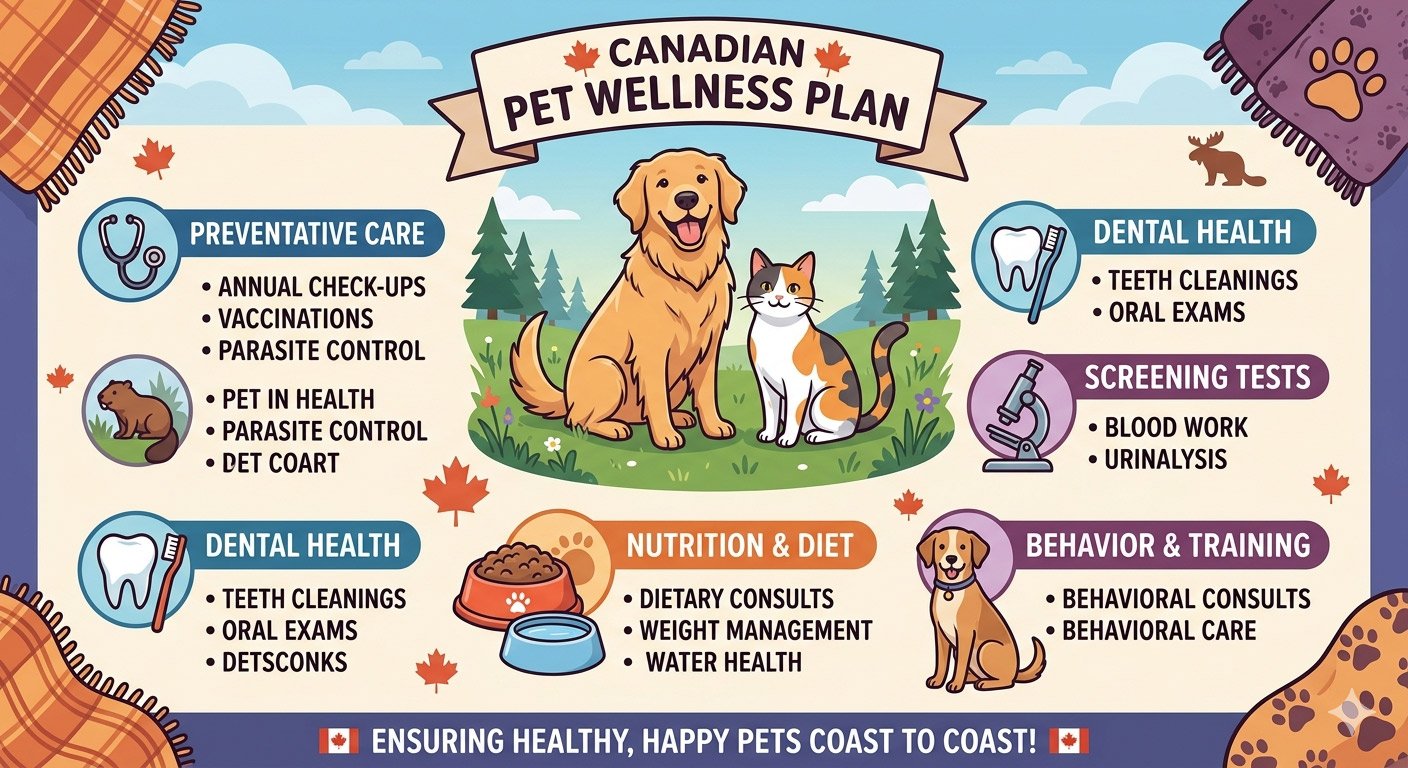
Gateway Veterinary Centre lists nutritional advice for cats and dogs among its services. Pet owners in The Orchards can call to ask about an appointment for weight, diet or feeding questions at the clinic's Calgary Trail NW location.
Bring the current food package or a clear photo of its label, plus a rough account of treats, table food and supplements. Include how much your pet eats and how often. Small details can change the calorie picture, and the veterinarian can help distinguish a feeding question from a medical issue.
Wellness image published on Gateway Veterinary Centre's website.
Nutrition guidance for The Orchards pets
Gateway Veterinary Centre lists nutritional advice for cats and dogs among its services. A useful nutrition conversation begins with the pet's full routine, not only the name on a food bag. Bring the package or take a clear photo of the feeding guide and ingredients. Estimate the amount offered each day and include treats, chews, table food, supplements and food used for medication. If more than one person feeds your pet, ask everyone to describe their routine so the veterinarian can review the whole picture.
Tell the clinic what prompted the question: weight change, a new food, a suspected sensitivity, a life-stage transition, reduced appetite or a diagnosed health concern. Note when the change began and whether anything else changed around the same time. A diet question can sometimes overlap with a medical problem, so do not assume food is the cause of a symptom. If your pet is losing weight unexpectedly, refusing food or becoming unwell, call the clinic and ask how quickly it should be assessed.
Portions, treats and daily routines
Portion advice is easier to understand when the team knows what is actually measured at home. If possible, use the same cup or scale each day and record the amount for a few days before the appointment. Note how often meals are offered and whether food is left available between meals. Include training rewards and small snacks; individually they may seem minor, but they are part of the daily intake. Do not sharply reduce food without guidance, especially for a growing animal or a pet with a medical condition.
Ask how to monitor progress in a practical way. The veterinarian may discuss body condition, weight trends, activity or other markers that make sense for your pet. Agree on when to review the plan and what would count as a meaningful change. A single weigh-in can be affected by routine differences, so ask whether the clinic recommends tracking at home or returning for a check. Use the same method each time and share the record at follow-up.
Food changes and suspected sensitivities
If the veterinarian recommends a food change, ask why that option is being considered and what the trial is meant to clarify. Confirm whether the transition should happen gradually and how long the pet should follow the plan. Clarify whether treats, flavoured medicines, chews and supplements are included. If the plan is intended to test a specific possibility, adding unrelated foods can make it harder to interpret the result.
Do not switch through several diets at once or stop a prescribed medicine to see whether a symptom changes. Record the start date, the food used and any changes in appetite, stool, skin or behaviour. If your pet refuses the food, develops a new symptom or seems worse, contact the clinic for guidance. Keep packaging or ingredient photos so the team can check what was actually fed. A controlled, clearly recorded plan is more informative than repeated untracked changes.
Nutrition across life stages and health needs
A pet's nutrition questions can change with age, body condition, activity, reproductive status and diagnosed health concerns. Gateway's public site lists care for senior pets, routine exams and nutrition advice, which can be discussed together when relevant. Ask whether the current feeding plan still fits your animal and whether a change should be coordinated with another part of treatment. Do not assume a product marketed for a particular life stage or condition is automatically appropriate for your pet.
If a veterinarian suggests a therapeutic diet, ask what it is intended to support, whether it must be fed exclusively and how to handle other pets in the household. Clarify how the food interacts with existing medications or supplements and when the plan should be reviewed. Keep the recommendation in writing, including the food name and transition notes. If cost or availability makes the plan difficult, tell the team; practical barriers matter when designing a routine you can maintain.
Bring the food story to your appointment
The public website lists Gateway at 4213 Calgary Trail NW, Edmonton, and does not identify a separate Orchards office. Call (587) 557-2210 to confirm current hours, appointment availability and whether a nutrition discussion should be combined with another visit. Because the clinic's general-hour details differ across public pages, verify directly before travelling. If the nutrition question involves a sudden loss of appetite or another new symptom, say that when booking rather than describing it as a routine diet review.
For the appointment, bring a medication list, food packaging or photos, a rough portion record and any previous diet-trial notes. Make a short list of questions, such as what outcome to monitor, how to transition and when to follow up. The veterinarian can tailor recommendations after reviewing the pet's history and examination. This page offers preparation ideas, not a feeding prescription or calorie target; do not change an animal's diet solely because of general website copy.
Record a few days of the current routine
A short feeding diary can make a nutrition conversation more concrete. For several days, write down what food is offered, the approximate amount, treats, chews, supplements and any food used for training or medication. Include who fed the pet and whether a meal was left unfinished. You do not need a perfect laboratory-style record; a realistic snapshot is more useful than an idealized routine. Bring the diary and packaging photos to the appointment so the veterinarian can ask about portions, timing and changes that may be relevant.
Set a review point for any diet change
If the veterinarian recommends a new food or feeding plan, agree on when to review it and what signs to track. A plan may consider appetite, stool, weight trend, skin or another goal, depending on the reason for the change. Ask whether the transition should be gradual and what to do if the pet refuses the food. Avoid adding several supplements or treats during the same period unless the clinic says they fit the plan. At follow-up, bring the dates and notes so the team can see what actually happened. Ask every household caregiver to contribute feeding notes for several days before follow-up.
Choose a plan you can follow
A nutrition conversation can cover body condition, age, activity, allergies and any diagnosed health concern. Avoid abrupt diet changes unless the clinic advises them. If a food change is recommended, ask how gradually to transition and what signs would mean the plan needs review.
Diet and weight discussion grounded in your pet's history
Questions about treats, portions and food transitions
Follow-up targets that are practical to monitor at home
Frequently asked questions
Can I ask about a special diet?
Yes. Bring the food name and ingredient information, and tell the veterinarian about symptoms, medications and previous diet trials.
Should I change my pet's food before asking?
If the pet is stable, discuss the current diet first. A sudden change can make symptoms and diet trials harder to interpret.
Do treats count in a nutrition review?
Yes. Include treats, chews, table food, supplements and food used to give medication.
Can Gateway recommend a special diet?
The clinic lists nutrition advice. Ask the veterinarian whether a particular diet is appropriate for your pet's history.
Urgent concern? Call the clinic before travelling to confirm availability. The clinic's public homepage and contact page show different general-hour schedules, so confirm today's hours directly.
This information is educational and cannot diagnose or treat your pet. Follow advice from a veterinarian who knows your pet's history. Gateway Veterinary Centre lists one Edmonton location at 4213 Calgary Trail NW; no separate The Orchards branch is listed on the public website.