Gateway Veterinary Centre is an Edmonton clinic serving dogs and cats at 4213 Calgary Trail NW. If you have recently welcomed a puppy or kitten in Allard, call to arrange an introductory visit and ask what records to bring.
New-pet appointments are easier when you bring the food label, adoption or breeder records, vaccine history and any medication instructions. Make a list of questions about feeding, sleep, house training, litter habits and safe introductions. The veterinarian can help you prioritize what needs attention now.
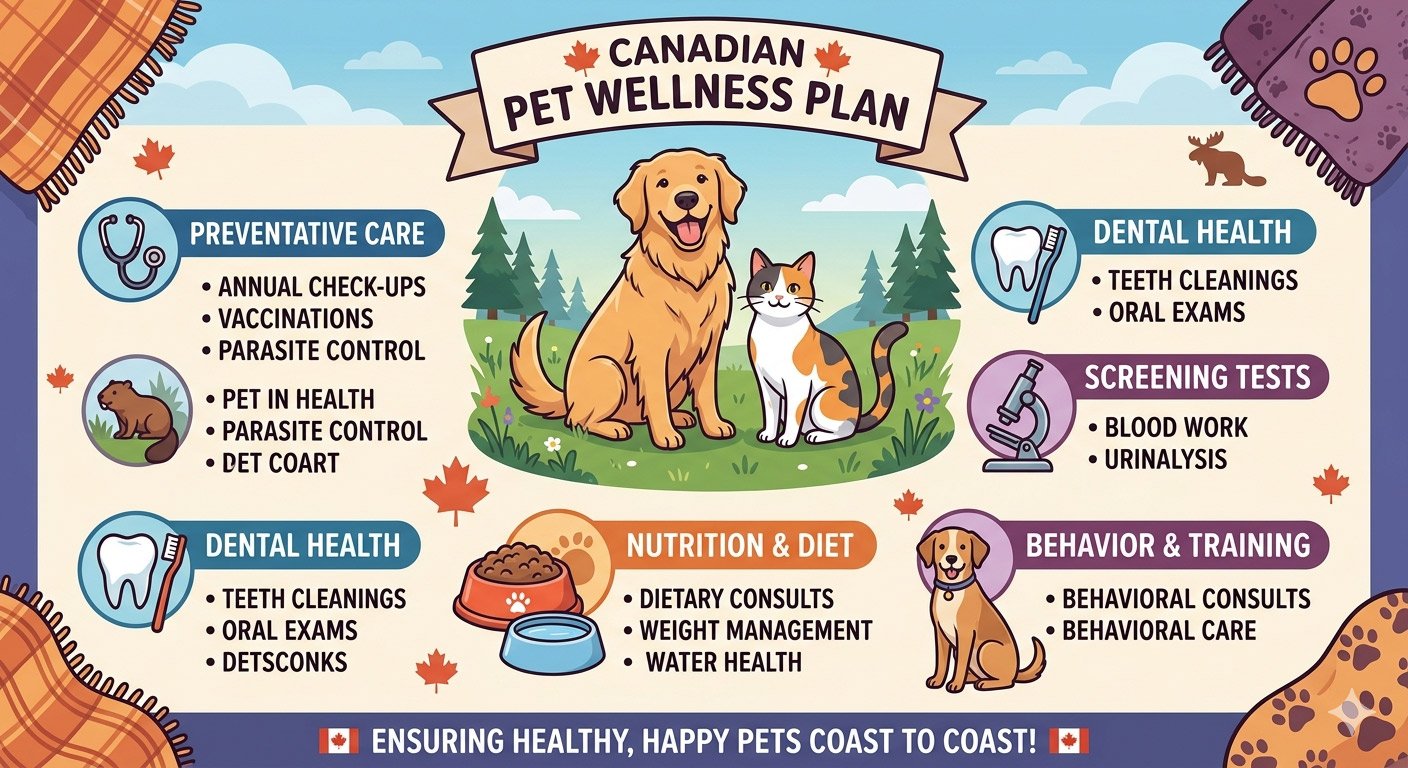
Pet wellness image published by Gateway Veterinary Centre.
A first veterinary visit for a new Allard pet
Bringing home a puppy, kitten or newly adopted adult animal creates many questions at once. Gateway Veterinary Centre lists routine examinations, vaccinations and nutrition advice for dogs and cats. A first appointment is a chance to review what is already known, identify any immediate concern and make a practical plan for the next stage. Call before booking and explain the animal's age if known, where the pet came from, what records you received and whether you have noticed any symptoms.
Gather adoption paperwork, breeder or rescue information, vaccination certificates, medicine labels and the current food package. If documents are incomplete, do not postpone calling; tell the clinic what is missing and ask whether records can be requested from the previous provider. Make a short list of questions about feeding, sleep, behaviour, litter or bathroom routines and safe handling. It is easier to prioritize questions with the veterinarian than to rely on memory during a busy first visit.
Build a preventive plan from records, not guesses
Young animals often have a series of appointments, but timing depends on age, history and the veterinarian's recommendation. Gateway's pages describe routine exams and pet vaccinations without setting one schedule for every animal. Bring all available dates and ask the team to explain what is due, what is already documented and when the next review should happen. If you cannot confirm a previous dose, do not invent a date or repeat a vaccine on your own.
A written care plan can help you coordinate the next visit and understand what to monitor at home. Ask which preventive topics are relevant now, whether a separate appointment is needed for a symptom and who to contact if the pet's condition changes. Save the clinic's number and keep the record in a place another caregiver can access. As the animal grows, update the clinic about changes in food, activity, medication and behaviour so the plan stays grounded in current information.
Make feeding questions specific
Nutrition conversations are more useful when the veterinarian knows what the pet actually eats. Bring the food packaging or take a clear photo of the ingredients and feeding directions. Estimate the amount offered each day and include treats, chews, table food and supplements. If several people feed the pet, ask each caregiver to describe their routine; differences between households can make the total intake difficult to estimate.
Ask how to evaluate whether the current plan suits your pet's age, growth and daily activity. If a food change is recommended, confirm whether the transition should be gradual, which signs to watch for and when to call if the pet refuses the new food. Avoid making multiple changes at once unless the veterinarian directs you to. A stable, clearly recorded routine makes it easier to understand whether a new food or feeding schedule is helping.
Prepare a young pet for travel and handling
Use a secure carrier for a cat or a safe leash and restraint for a dog. Ask the clinic what to do if the pet becomes very distressed during travel or handling. Bring familiar bedding only if it can be kept clean and does not interfere with safe transport. Do not place a nervous animal loose in a vehicle, and do not force a carrier or restraint if the pet is injured or struggling; call the clinic for advice.
At the appointment, tell staff what has already been tried and what helps the animal settle. Share any known bite history, fear response or sensitivity to touch. A clear description lets the team plan handling safely and discuss ways to make later visits easier. If you are uncertain about a behaviour or a routine, describe what happened rather than applying a label. The veterinarian can ask follow-up questions and determine whether the issue needs a separate conversation.
Plan ongoing care from one Edmonton location
Gateway lists one clinic at 4213 Calgary Trail NW, Edmonton, and does not identify an Allard branch. Call (587) 557-2210 to confirm current hours, appointment availability and what to bring. The website's general-hour details differ between pages, so verify directly before travelling. If the animal needs urgent attention, explain the symptom when you call and ask whether the clinic can see the pet or recommends another facility.
After the first appointment, keep the visit summary, vaccine record, medication instructions and next appointment details together. Ask how to request a copy if you move, travel or need another veterinarian to review the history. If you have questions after returning home, use the clinic's approved contact route and include the pet's name and visit date. This page is preparation guidance, not a puppy or kitten medical schedule; follow the plan the veterinarian creates for your individual animal.
Give a new pet time to settle
A new home changes the sights, sounds, feeding routine and people an animal encounters. Share what the pet's routine looked like before adoption and what has changed since arriving. If appetite, sleep, litter habits or behaviour are different, note when the change began and whether the pet is otherwise acting normally. Ask the veterinarian which adjustments are ordinary transition questions and which signs should be assessed. Avoid changing food, treats and schedule all at once unless there is a clear reason; keeping a stable routine can make it easier to notice how the animal is adapting.
Make the plan easy for everyone to follow
Write down feeding amounts, medicine directions, appointment dates and the next preventive-care step. Share the same note with family members, pet sitters and anyone who may take the animal to a clinic. Use the product label when recording food or medicine names so the information is clear. If a caregiver notices a change, ask them to note the date and what happened rather than guessing at a cause. Bring the note to the next appointment and update it after the veterinarian explains the plan. Consistent information supports better conversations as the pet grows and its needs change. Keep all medical records together at home.
Start with the basics
Ask the care team to review growth, body condition, oral health and age-appropriate preventive care. If your new pet has not completed a vaccine series, do not rely on a general online schedule; the right timing depends on age and records. Call if a young pet stops eating or becomes unusually quiet.
First wellness exam and record review
Vaccine and nutrition discussion
A follow-up plan for the next stage of growth
Frequently asked questions
What should I bring to a first appointment?
Bring adoption or previous veterinary records, current food and medication details, and a list of questions. Keep cats in a secure carrier.
What if I do not have adoption records?
Call anyway and explain what is missing. Ask whether the rescue, breeder or previous clinic can send records before the visit.
Should I change a new pet's food immediately?
Discuss the current food with the veterinarian before making a change, especially if the pet has symptoms or feeding concerns.
Can I book vaccines for a puppy or kitten online?
Contact the clinic to confirm the appointment type and current booking options for your pet's age and records.
Urgent concern? Call the clinic before travelling to confirm availability. The clinic's public homepage and contact page show different general-hour schedules, so confirm today's hours directly.
This information is educational and cannot diagnose or treat your pet. Follow advice from a veterinarian who knows your pet's history. Gateway Veterinary Centre lists one Edmonton location at 4213 Calgary Trail NW; no separate Allard branch is listed on the public website.